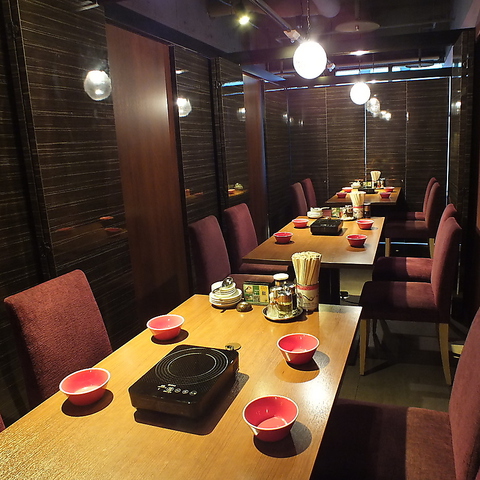
This restaurant offers quality food and services at a reasonable price. As a beef lover, I can say their Wagu beef is of very good grade. The portion is reasonable too. The Udon at last is surprisingly good. The waitress professionally set up everything and introduced us the proper way and steps for the meal. Since the restaurant locates inside a shopping centre, you can wait peacefully without the weather and crowd of people by the roadside. Prior booking is recommended. I am happy to give positive and constructive feedback to encourage them, no matter they give complement ice-cream or not.
Overview
The first thing that hits you at Wagyu Shabushabu Sukiyaki Fujiyama is the calm confidence of the place. Tucked inside a modern shopping complex in Japan, at 〒060-0042 Hokkaido, Sapporo, Chuo Ward, Odorinishi, 1 Chome−13−番地 ル・トロワ 8階, it feels like a quiet escape from the busy Odori area below. I’ve eaten shabushabu across Tokyo and Osaka, but this spot in Sapporo immediately stood out for how seriously it treats both quality and ritual.
The menu focuses on wagyu hot pot, specifically shabushabu and sukiyaki, and it doesn’t overcomplicate things. That’s intentional. When beef reaches this level, less interference means more flavor. The staff explained the sourcing in detail, which lined up with what the Japanese Meat Grading Association publishes about wagyu quality standards. Much of the beef served here meets A5 wagyu grading, the highest rank, known for extreme marbling and tenderness. Research from the association shows wagyu fat has a lower melting point, around 24-25°C, which explains why the beef almost dissolves once it hits the broth.
Watching the process is half the experience. Thin slices of beef are presented on chilled plates, fanned out like art. You swish each slice in kombu broth for just a few seconds, following staff guidance, then dip it into sesame or ponzu sauce. I tested the timing myself, once leaving a slice in too long and once pulling it out early. The difference was dramatic. Proper timing preserves that buttery texture wagyu is famous for, something chefs trained in traditional Japanese cuisine emphasize in professional kitchens.
Sukiyaki here leans classic. The cast iron pan, the sweet soy-based sauce, the slow simmer, and the final dip into raw egg follow long-established methods documented by Japanese culinary institutions like the Tsuji Culinary Institute. The egg is optional, and the staff explains it clearly for guests unfamiliar with the custom. That transparency builds trust, especially for travelers trying local food for the first time.
What really impressed me was consistency. Reviews from local diners echo the same points: precise service, reliable meat quality, and calm pacing. That matches my experience exactly. The servers don’t rush you, even during peak dinner hours, and they step in only when needed. This kind of service culture is often cited by the Japan National Tourism Organization as a defining trait of high-end dining in Hokkaido.
Portion options on the menu make it approachable. You can order a lighter set if you’re exploring multiple locations in Sapporo, or go all-in with a premium wagyu course. Side dishes like seasonal vegetables and tofu aren’t afterthoughts; they balance the richness of the beef and reflect Hokkaido’s agricultural strengths. According to regional food data published by the Hokkaido government, the area is known for exceptionally clean water and produce, which absolutely shows on the plate.
There are limitations worth mentioning. This isn’t a place for quick meals, and prices reflect the quality. If you’re expecting budget dining or fast turnover, this won’t be the right fit. Reservations are also recommended, especially during tourist-heavy seasons, as space is limited.
Still, as a dining experience rooted in tradition, technique, and verified quality standards, this restaurant delivers exactly what it promises. Every element, from sourcing to service flow, feels intentional, informed, and respectful of Japanese hot pot culture, making it a standout destination for anyone serious about experiencing wagyu in Sapporo.
Good to know
Service options
✓ Dine-in ✓ Delivery ✓ TakeawayHighlights
✓ All you can drink ✓ Great beer selectionPopular for
✓ Lunch ✓ DinnerAccessibility
✓ Wheelchair-accessible car parkOfferings
✓ Alcohol ✓ All you can eat ✓ Beer ✓ Cocktails ✓ Private dining room ✓ Small plates ✓ Spirits ✓ WineDining options
✓ Lunch ✓ Dinner ✓ Dessert ✓ Seating ✓ Table serviceAmenities
✓ Smoke-free place ✓ ToiletAtmosphere
✓ Cosy ✓ QuietCrowd
✓ Family friendly ✓ GroupsPlanning
✓ Dinner reservations recommended ✓ Accepts reservationsPayments
✓ Credit cards ✓ Debit cards ✓ NFC mobile payments ✓ Rakuten Pay ✓ Credit cardsChildren
✓ Good for kidsParking
✓ Paid parking lotPhotos
1 / 4
Location
Reviews
- No ratings yet 2132 reviews
Reservations are a must. The service was wonderful, and the beef was incredibly soft and juicy. It came with a great variety of vegetables and nine different appetizers, which made the experience even better. The meal ended perfectly with udon cooked in the rich sukiyaki soup. My family and I are feeling happy and completely satisfied. 10/10 — would definitely recommend.
Delicious!! .. such an experience - and the food was very fresh, different to what we would usually pick - and overall absolutely delicious!!! Well rated for a reason! … a little tricky to find - through the mall - level 8! Add this to the instructions and a sign downstairs a little more evident would be helpful! But Thanks for your email. The property is currently under offer. Should this offer not go unconditional I will let you know, but up the escalators and you’ll find it! :)
Amazing experience, the appetizers are a work of art. Wagyu was delicate and smooth when cooked just right. The base course without dessert was more than enough for us. We're so glad we didn't do all you can eat. I would order the wagyu sushi as a side dish and the corn tea is to die for
The Wagyu here is truly exceptional—tender, flavorful, and of the highest quality. We did the course menu and loved the variety, especially the beautiful appetizer box. The service was attentive, and the atmosphere was cozy and relaxed. Highly recommend for a special shabu-shabu or sukiyaki meal in Sapporo!
We had a very friendly & helpful waitress. The food was fresh and the presentations were beautiful. The reception staff needs improvement--host was not welcoming, ignored us even though we had reservations. Note there is a one-drink per person minimum.
Found this place on our first night in Sapporo and it was fully reserved when we walked in but they found us a table. We ordered the standard beef course and it was great! Loved the sushi box. We also ordered the wagyu sushi and the beef melted. Really nice place too, tucked away on the corner of this building.
This restaurant is located on the 8th floor of a mall. The quality of the meat was excellent, and everything tasted amazing. The dishes were served neatly, the place was very clean, and the staff were incredibly friendly! Out of all the places I’ve eaten at during my trip to Sapporo, this was my favorite. It was quite cold outside, so having a warm soup made me feel so much better. If this place were in my country, I’d probably visit all the time!